Bandi Chhor Divas: History, Meaning and the Story Behind the Celebration
Guru Hargobind Ji's release from Gwalior Fort, the fifty-two kings who walked out with him, and the lamps that greeted him in Amritsar: the story at the heart of Bandi Chhor Divas and how it came to be celebrated.
Published Updated 6 min read
In this article
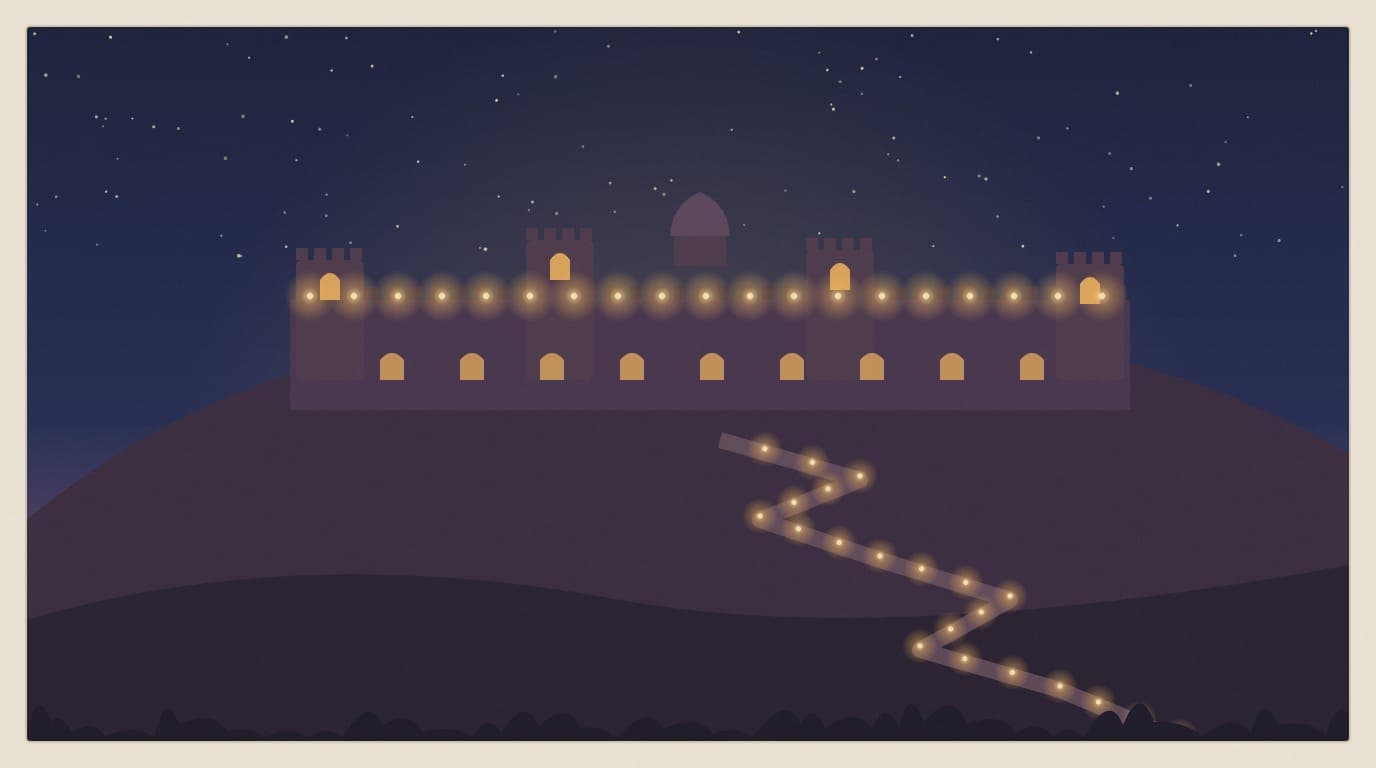
On the evening of Bandi Chhor Divas, the parikrama around Sri Harmandir Sahib is lined with thousands of small lamps. Their light doubles in the water of the sarovar, fireworks break over the city, and crowds fill every corner of the complex. The spectacle can look like Diwali, and it falls on the same night. But for Sikhs it remembers a particular event: the release of Guru Hargobind Ji, the sixth Guru, from imprisonment, and his return to Amritsar.
This article tells that story, explains what the name means, and describes how the day is celebrated.
The name
Bandi Chhor means "liberator of prisoners" or "releaser of captives". Bandi is a prisoner, and chhor (ਛੋੜ) comes from the verb chhadna, "to release" or "to set free". Divas means "day". Put together, Bandi Chhor Divas is "the day of the liberator of prisoners".
The title refers to Guru Hargobind Ji himself, who, tradition says, secured the freedom of other prisoners as well as his own. It is sometimes written Bandi Chhorh Divas or Bandi Chhod Diwas. Our separate guide to Bandi Chhor Divas in English explains the spellings and a common misunderstanding about the word chhor.
Background: a Guru who carried two swords
Guru Hargobind Ji became Guru in 1606 after the martyrdom of his father, Guru Arjan Dev Ji, in Lahore under the Mughal emperor Jahangir. The young Guru responded by giving Sikh life a visible temporal dimension alongside the spiritual one. Tradition records that he wore two swords, representing miri (temporal authority) and piri (spiritual authority). He built the Akal Takht facing Harmandir Sahib, kept horses and armed followers, and encouraged martial training.
To the Mughal authorities, this growing strength looked like a challenge. Sources differ on the precise reasons, which may have included an unpaid fine imposed on Guru Arjan Dev Ji, political suspicion and the influence of the Guru's opponents. They agree that Jahangir had the Guru detained in Gwalior Fort, a vast hilltop stronghold in central India used as a state prison.
Detention at Gwalior
Accounts of the detention vary considerably. Some sources describe months, others several years, and the dates offered by historians differ. What the tradition emphasises is that the Guru's spirit was unbroken, and that Sikhs travelled long distances to Gwalior to pay their respects outside the fort.
Among the prisoners in the fort, tradition says, were a number of rajas or hill chieftains held for political reasons. The traditional account puts their number at fifty-two. The Guru's presence is said to have been a comfort to them.
The release and the cloak of fifty-two tassels
Eventually Jahangir ordered the Guru's release. Traditional accounts attribute the change of heart to different causes, including the intercession of the Sufi saint Mian Mir and others at court.
What happened next is the heart of the story. The Guru, the tradition says, refused to leave unless the imprisoned kings were freed with him. The emperor, reluctant to release them all, set a condition: those who could hold on to the Guru's garment as he walked out could go free. The Guru had a cloak made with fifty-two tassels or long hems, and each of the kings took hold of one as the Guru left the fort. All fifty-two walked out with him. From this he became known as Bandi Chhor, the liberator of captives.
A gurdwara, Gurdwara Data Bandi Chhor Sahib, now stands at Gwalior Fort to mark the site.
The return to Amritsar
The Guru travelled back to Punjab. According to Sikh tradition, he reached Amritsar around the time of Diwali, and the Sikh community welcomed him by lighting lamps throughout the city and around Harmandir Sahib. That welcome is the origin of the illumination that marks Bandi Chhor Divas today.
From Diwali gathering to Bandi Chhor Divas
The Sikh association with Diwali is older than Guru Hargobind Ji's release. Tradition records that Guru Amar Das Ji, the third Guru, designated Diwali as one of the occasions on which Sikhs should gather in the Guru's presence, alongside Vaisakhi.
In the eighteenth century, Diwali and Vaisakhi became the two occasions when the Sarbat Khalsa, the assembly of the whole Sikh community, gathered at Amritsar to take collective decisions, often at great risk during periods of persecution. The scholar and custodian Bhai Mani Singh is remembered in connection with such a gathering: accounts say he sought permission for a Diwali assembly around 1738, and that a dispute over a levy demanded for it led to his arrest and execution in Lahore. His martyrdom is remembered at this season too.
The specific name "Bandi Chhor Divas" became widely used in the twentieth century, particularly as Sikh institutions sought to emphasise the distinct Sikh meaning of the day. Our article on Bandi Chhor Divas and Diwali explores that relationship in detail.
How Bandi Chhor Divas is celebrated
At Harmandir Sahib
The celebrations at Sri Harmandir Sahib are among the largest gatherings of the year. The complex is illuminated with electric lights and countless oil lamps and candles lit by devotees around the sarovar. There is continuous kirtan, and a fireworks display lights the sky above the complex in the evening. The Jathedar of Sri Akal Takht Sahib traditionally addresses the community on this occasion.
In gurdwaras everywhere
Gurdwaras around the world hold special programmes:
- Akhand Path, a continuous reading of Sri Guru Granth Sahib Ji, often culminating on the day.
- Kirtan and katha, including the story of the Guru's release.
- Illumination of the gurdwara building with lights and lamps.
- Langar for everyone who comes.
- In some places, fireworks, though many gurdwaras now limit them for safety and environmental reasons.
At home
Families light lamps or candles at home, visit the gurdwara, share sweets with friends and neighbours, and spend the evening together. Many use the occasion to tell children the story of the fifty-two kings.
The meaning of the day
Bandi Chhor Divas carries several layers of meaning that Sikhs reflect on:
- Freedom and justice. The Guru refused to accept freedom for himself alone while others remained captive.
- Solidarity. The kings he freed were not Sikhs. His concern extended to all who were wronged.
- Resilience. The detention followed his father's martyrdom, and the release became a moment of hope for a community under pressure.
- Inner liberation. In katha, the story is often also read as a call to seek release from the inner bonds of ego, anger and attachment.
When it falls
Bandi Chhor Divas is observed on the same day as Diwali, the new moon (Amavas) of the lunar month of Kartik, usually in October or November. Even when the Nanakshahi calendar was adopted in 2003, this observance stayed on the lunar calendar. Our guide to Sikh Gurpurabs and festivals shows where it sits in the Sikh year, and our practical guide to Sikh dates explains how to confirm the date each year.
Summary
Bandi Chhor Divas remembers Guru Hargobind Ji's release from Gwalior Fort, the fifty-two kings who, tradition says, walked out holding the tassels of his cloak, and the lamps lit to welcome him home to Amritsar. It shares a night with Diwali and builds on centuries of Sikh gatherings at that season, but its meaning is distinct: a celebration of freedom, of justice for others and of the courage of a Guru who would not leave anyone behind.
Frequently asked questions
Why is Bandi Chhor Divas celebrated?
It commemorates the release of Guru Hargobind Ji, the sixth Sikh Guru, from detention at Gwalior Fort, together with 52 imprisoned kings or chieftains, and his return to Amritsar, where the Sikh community lit lamps to welcome him.
When is Bandi Chhor Divas?
It is observed on the same day as Diwali, which falls on the new moon (Amavas) of the lunar month of Kartik, usually in October or November. Because the date follows the lunar calendar, it moves in the Gregorian calendar each year.
In which year was Guru Hargobind Ji released?
1619 is the year most commonly cited, but sources differ on the length of the detention and the date of release, and historians have proposed other years. It is best to treat the exact year as uncertain.
Who were the 52 kings?
Tradition describes them as rajas or hill chieftains held at Gwalior Fort. Their names are not consistently recorded in early sources, and the number 52 is part of the traditional account.